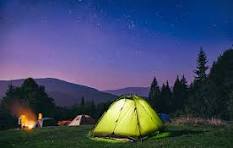
Planning a camping trip is exciting, but packing the right gear can make the difference between a comfortable outdoor adventure and a stressful experience. Whether you're heading out for a weekend at a campground, exploring the backcountry, or enjoying a family camping trip, having the right essentials helps you stay safe, comfortable, and prepared.
If you're wondering what to bring camping, this guide covers the 10 essential categories of gear every camper should consider before heading outdoors.
1. Tent and Shelter
A reliable camping tent is one of the most important pieces of camping equipment. Your tent provides protection from rain, wind, sun, insects, and changing temperatures.
When choosing a tent, consider:
Number of people who will use it
Weather and season
Tent weight and packed size
Waterproofing and ventilation
Ease of setup
Available storage space
For family camping, a larger tent can provide additional room for sleeping and storing gear. For hiking and backpacking, a lightweight tent is generally easier to carry.
Don't forget essential shelter accessories such as tent stakes, guy lines, a footprint, and a rainfly when appropriate.
2. Sleeping Bag and Sleeping Gear
After a long day outdoors, a comfortable night's sleep is essential. A sleeping bag helps keep you warm while providing a comfortable place to rest.
Choose a sleeping bag based on the expected temperatures at your campsite. Sleeping bags are available in different shapes, insulation types, and temperature ratings.
You may also want to bring:
Sleeping pad or camping mattress
Camping pillow
Folding camping bed or cot
Extra blanket
Sleeping bag liner
A sleeping pad is particularly useful because it adds cushioning while also helping insulate you from the cold ground.
3. Camping Stove and Cooking Equipment
Cooking outdoors is one of the enjoyable parts of camping. A portable camping stove gives you a convenient way to prepare meals and boil water.
Depending on your trip, your camping kitchen may include:
Portable camping stove
Fuel appropriate for your stove
Pots and pans
Camping plates and bowls
Cups or mugs
Forks, knives, and spoons
Cooking utensils
Food storage containers
Can opener
Biodegradable dish soap
Sponge or cleaning cloth
For shorter trips, keep meals simple. Pre-planned meals and easy-to-cook foods can reduce the amount of equipment you need to carry.
4. Water and Hydration
Access to safe drinking water is critical when camping. Always determine where your drinking water will come from before leaving home.
Depending on your destination, consider bringing:
Reusable water bottles
Hydration reservoir
Water storage container
Water filter
Water purification tablets
Collapsible water container
A general rule is to bring enough water for drinking, cooking, and basic cleaning, while accounting for weather, physical activity, and access to reliable water sources.
If you're hiking or backpacking, a portable water filter can be especially useful when safely treating water from appropriate natural sources.
5. Food and Snacks
Pack enough food for the entire trip, plus a little extra in case your plans change.
Good camping foods include:
Trail mix
Granola bars
Dried fruit
Canned or packaged meals
Pasta and rice
Oatmeal
Fresh or dried vegetables
Sandwich ingredients
Freeze-dried meals
Coffee or tea
Store food securely and follow local wildlife regulations. In areas where animals may be attracted to food, use appropriate food-storage methods and avoid leaving food or trash around your campsite.
6. Lighting and Power
Once the sun goes down, reliable lighting becomes essential. A camping lantern, headlamp, or flashlight can help you safely move around your campsite, cook, find equipment, and navigate trails after dark.
Consider bringing at least one primary light and a backup.
Useful options include:
LED headlamp
Camping flashlight
Lantern
Rechargeable light
Extra batteries
Power bank
Solar camping light
A headlamp is especially convenient because it keeps your hands free while setting up your tent or walking around camp.
7. First Aid and Emergency Supplies
Even on a short camping trip, it's important to be prepared for minor injuries and unexpected situations.
A basic camping first aid kit may include:
Adhesive bandages
Gauze
Antiseptic wipes
Medical tape
Tweezers
Blister treatment
Pain reliever
Disposable gloves
Small scissors
Personal medications
You should also consider carrying emergency supplies such as a whistle, emergency blanket, lighter or waterproof matches, and a basic repair kit.
For remote trips, your emergency equipment should be more comprehensive.
8. Appropriate Clothing and Footwear
Weather can change quickly outdoors, so packing clothing for different conditions is important.
Instead of relying on one heavy layer, consider using several layers that can be added or removed as conditions change.
Your camping clothing checklist may include:
Moisture-wicking base layers
Warm mid-layer
Waterproof or windproof outer layer
Hiking pants
Extra socks
Hat
Gloves
Rain jacket
Comfortable hiking shoes or boots
Always bring extra socks. Wet feet can quickly turn an enjoyable hiking or camping trip into an uncomfortable one.
9. Navigation and Communication
Even if you're camping at an established campground, navigation and communication equipment can be valuable.
Depending on your trip, consider carrying:
Paper map
Compass
GPS device
Smartphone with offline maps
Portable power bank
Emergency communication device
Don't rely exclusively on your smartphone. Batteries can run out, and cellular service may not be available in remote areas.
Before leaving, tell someone where you're going, your planned route, and when you expect to return—especially for remote camping or hiking trips.
10. Camping Tools and Personal Essentials
The final category includes the small but important items that can make your camping trip much easier.
Useful camping accessories include:
Multi-purpose camping tool
Rope or cord
Duct tape
Tent repair patches
Waterproof bags
Trash bags
Sunscreen
Insect repellent
Personal hygiene supplies
Biodegradable toilet paper
Hand sanitizer
Sunglasses
Camping chair
Folding camping table
A few versatile accessories can save space while giving you solutions for unexpected situations around camp.
Bonus: Camping Essentials Checklist
Before leaving home, use this quick checklist:
Shelter
☐ Tent
☐ Tent stakes and guy lines
☐ Groundsheet or footprint
☐ Rainfly
Sleeping
☐ Sleeping bag
☐ Sleeping pad or camping mattress
☐ Camping pillow
☐ Extra blanket
Cooking
☐ Camping stove
☐ Fuel
☐ Cookware
☐ Plates and utensils
☐ Food
Water
☐ Water bottles
☐ Water container
☐ Water filter or purification method
Lighting
☐ Headlamp
☐ Flashlight
☐ Lantern
☐ Extra batteries or power bank
Safety
☐ First aid kit
☐ Emergency blanket
☐ Whistle
☐ Fire-starting supplies
☐ Navigation equipment
Clothing
☐ Weather-appropriate clothing
☐ Rain gear
☐ Extra socks
☐ Hiking footwear
Personal Items
☐ Sunscreen
☐ Insect repellent
☐ Toiletries
☐ Hand sanitizer
☐ Sunglasses
Camping Accessories
☐ Camping chair
☐ Folding table
☐ Rope or cord
☐ Repair supplies
☐ Trash bags
Final Thoughts
The best camping trips start with good preparation. You don't need to bring every piece of outdoor equipment available, but you should have the essentials needed for shelter, sleep, food, water, lighting, safety, navigation, and changing weather conditions.
Before packing, consider your destination, the length of your trip, the weather forecast, the number of people camping with you, and whether you'll be driving to the campsite or carrying your gear on a hike.
With the right preparation and dependable camping gear, you can spend less time worrying about what you forgot and more time enjoying the outdoors.
Ready for your next adventure? Explore camping tents, sleeping gear, lighting, cooking equipment, camping furniture, and outdoor accessories at Camping For Everyone.
